Why Drayage and Shipping Costs Catch Brands Off Guard
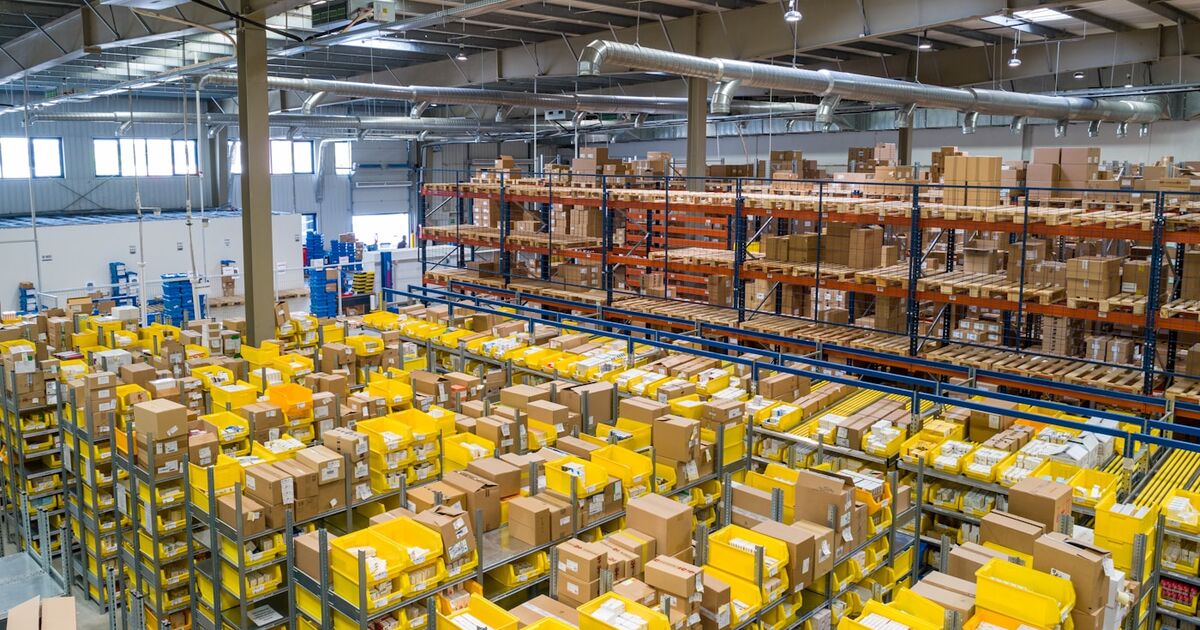
Drayage is one of the most misunderstood line items in trade show budgets. It sounds simple—moving your materials from the loading dock to your booth space. But the reality involves layers of complexity that catch even experienced exhibitors off guard.
What Drayage Actually Is
Drayage is the handling of your freight within the convention center. When your shipment arrives at the loading dock, the general contractor’s crew unloads it, stores it temporarily if needed, delivers it to your booth space, and later reverses the process for outbound shipping.
It’s charged by weight, typically per hundredweight (CWT, or per 100 pounds). Rates vary by show and contractor, but $100-$200+ per CWT is common. And that’s just the base rate.
Why It’s More Expensive Than Expected
Both Directions
Drayage is charged both inbound and outbound. If your booth weighs 2,000 pounds, you’re paying drayage on 2,000 pounds coming in AND 2,000 pounds going out. Double your initial mental estimate.
Minimum Weights
Most shows have minimum weight charges. Even if your shipment weighs 50 pounds, you might be charged for 200 pounds minimum. This disproportionately affects small exhibitors.
Special Handling
Crates, oversized items, or anything requiring a forklift often incur special handling surcharges. That custom element that seemed like a good idea? It might add hundreds or thousands to your drayage bill.
Overtime and Premium Rates
Shipments arriving outside regular receiving hours are charged overtime rates—often 1.5x to 2x the standard rate. Last-minute shipments that arrive during show setup can cost even more.
Waiting Time
If your shipment arrives and sits waiting for delivery to your booth—because you’re not there, or the aisle isn’t ready—you may be charged waiting time fees.
The Full Shipping Picture
Drayage is just the “last mile” inside the venue. You also have freight costs to get your materials to the city. The full shipping picture includes:
- Pickup from your warehouse or exhibit house
- Transportation to the show city
- Drayage at the venue (inbound)
- Drayage at the venue (outbound)
- Transportation back to storage
- Delivery to warehouse
For a cross-country shipment of a moderately sized booth, total shipping and drayage can easily run $6,000-$15,000 per show. For a full picture of where drayage fits alongside other expenses, see how trade show costs work.
Strategies to Reduce Costs
Ship Early
Advanced warehouse shipping (sending your freight to arrive before the target date window) typically qualifies for the lowest drayage rates. Plan your logistics timeline to take advantage of this.
Reduce Weight
Every pound costs money. When designing or selecting a booth, weight should be a consideration. Lightweight materials, aluminum frames instead of steel, and fabric graphics instead of rigid panels all reduce ongoing shipping costs.
Consolidate Shipments
Multiple small shipments often cost more than one large shipment due to minimum charges. Consolidate everything that can ship together.
Skip Crating When Possible
Crates add significant weight and often trigger special handling charges. Use soft cases or padded packaging when your materials can handle it.
Consider Exhibit-Appointed Carriers (EAC)
Some general contractors have agreements with specific carriers that can provide better rates or streamlined handling. Ask about EAC options. For more cost-saving strategies across your entire program, see our guide to reducing trade show costs.
Reading the Fine Print
Every show’s exhibitor manual contains detailed drayage information—rates, deadlines, surcharges, and requirements. Read it carefully before finalizing your budget. The details matter.
Pay particular attention to target shipping dates, rate tiers, and any mandatory handling requirements. Some shows require specific packaging or labeling that adds time and cost.
Budgeting Realistically
When budgeting for shipping and drayage, start with an accurate weight for your booth. Weigh it—don’t estimate. Then calculate based on the show’s published rates, adding 15-20% for unexpected charges.
Shipping and drayage typically represent 15-25% of total show costs. If your estimate is significantly lower than that, you’re probably missing something. Use our trade show cost calculator to model your full budget and see how shipping fits into the total picture.
Frequently Asked Questions
What is drayage at a trade show?
Drayage is the handling and transportation of your exhibit materials from the convention center loading dock to your booth space on the show floor. It's charged by weight (per hundredweight/CWT), typically $100-$200+ per CWT, and applies in both directions — inbound to the booth and outbound after the show.
How much does trade show drayage typically cost?
For a moderate-sized booth (2,000-4,000 lbs), expect $3,000-$8,000+ in drayage per show, each direction. Total shipping and drayage costs (freight plus drayage) typically represent 15-25% of your overall trade show budget.
How can I reduce drayage costs?
Ship early to avoid overtime rates, reduce booth weight through material selection, consolidate shipments, consider skip-crating when possible, and use Exhibit-Appointed Carriers (EACs) for potentially better rates. Weighing your materials accurately beforehand also prevents billing surprises.
What is the difference between freight and drayage?
Freight is the cost of shipping your materials to and from the convention center city via a carrier. Drayage is the separate charge for moving materials from the loading dock to your booth space inside the venue. Both are charged in each direction, and both should be budgeted separately.
Planning a trade show?
If you want help applying these concepts to your specific situation, we're happy to talk it through.